How to Record Your Life Story
Not everyone is in a position to work with Carousel Archival Stories—and we understand that. What matters most is not who records your life story, but that it is recorded.
Whether your memoir is filmed by a professional or with the phone already in your pocket, you are preserving something truly irreplaceable. We hope these Ten Tips for Recording Your Life Story help you create a film that your family will cherish for generations.
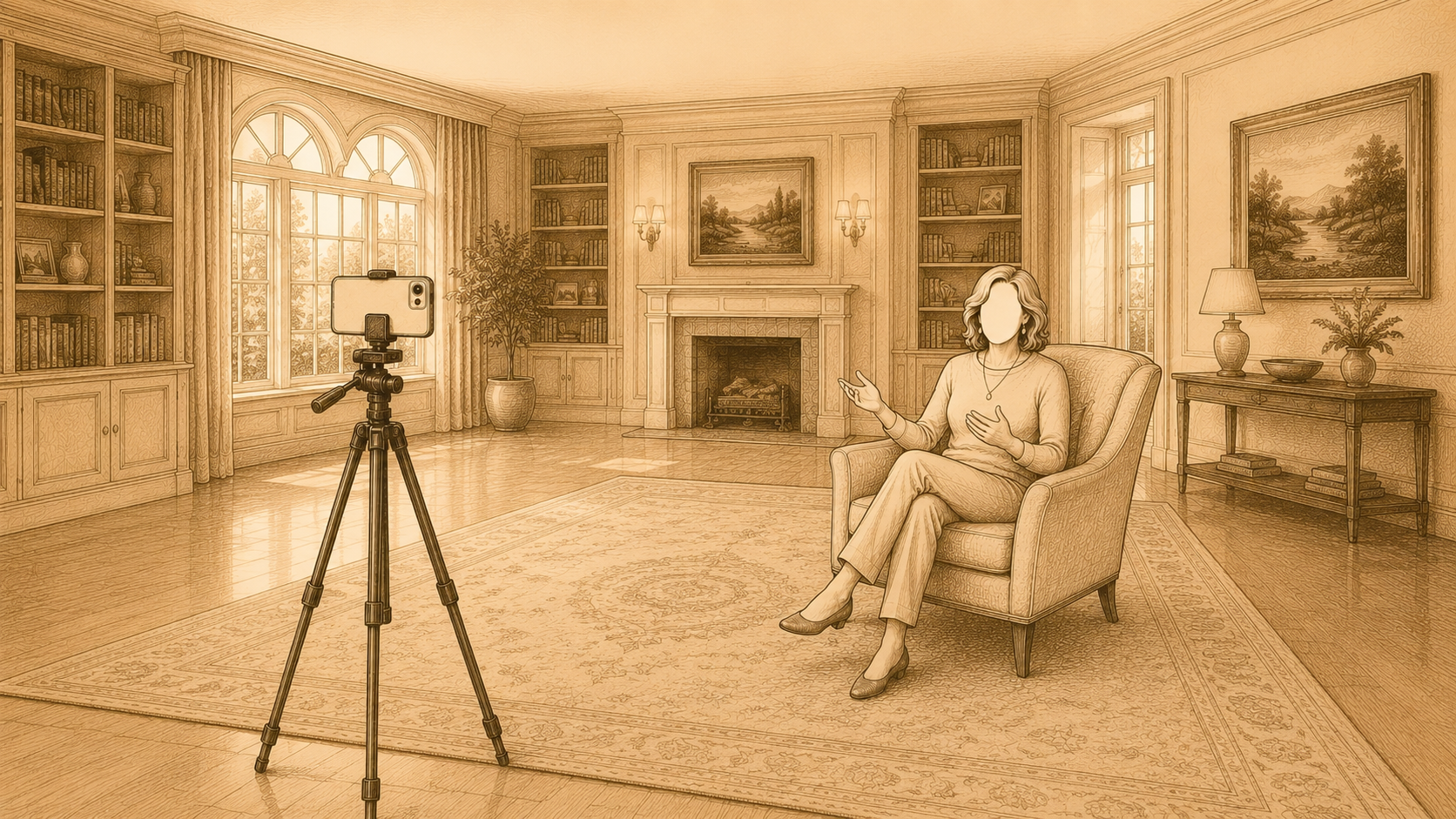
1. Keep the Camera Steady
Place your phone on a tripod, stand, or other stable surface. Avoid holding it in your hand, as even small movements can become distracting to viewers.
Position the phone at approximately eye level. Looking directly toward the camera creates a natural connection with the audience.
2. Frame Yourself
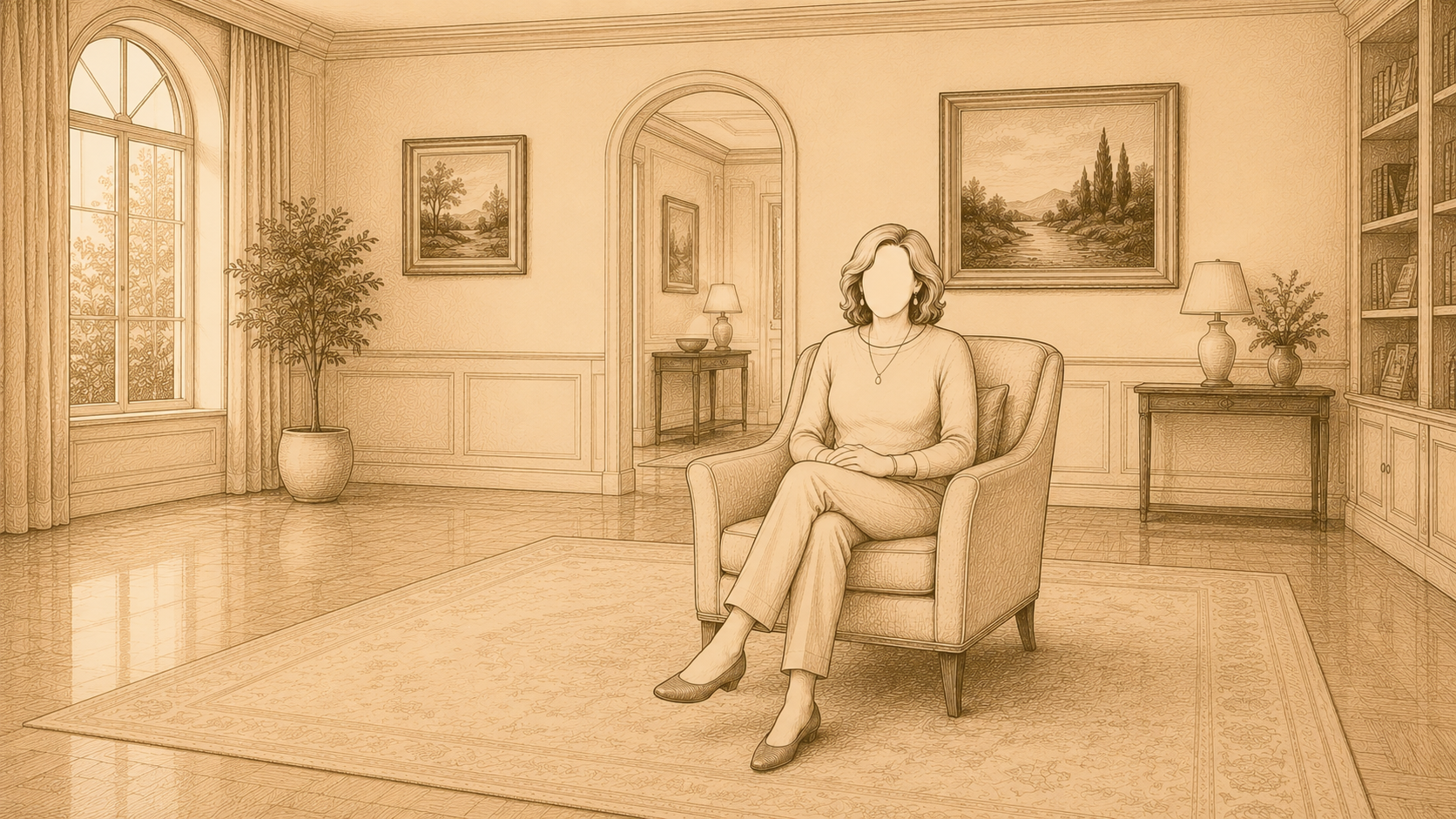
Your recording does not need to be a close-up of your face. In fact, it is often more comfortable and visually pleasing to include most of your upper body—from around your waist or chest to just above your head.
Leave a little space above your head, and avoid placing yourself too close to the edges of the frame. A relaxed, natural composition allows viewers to focus on your expressions and gestures.
3. Pay Attention to Your Background
Your background tells part of your story as well.
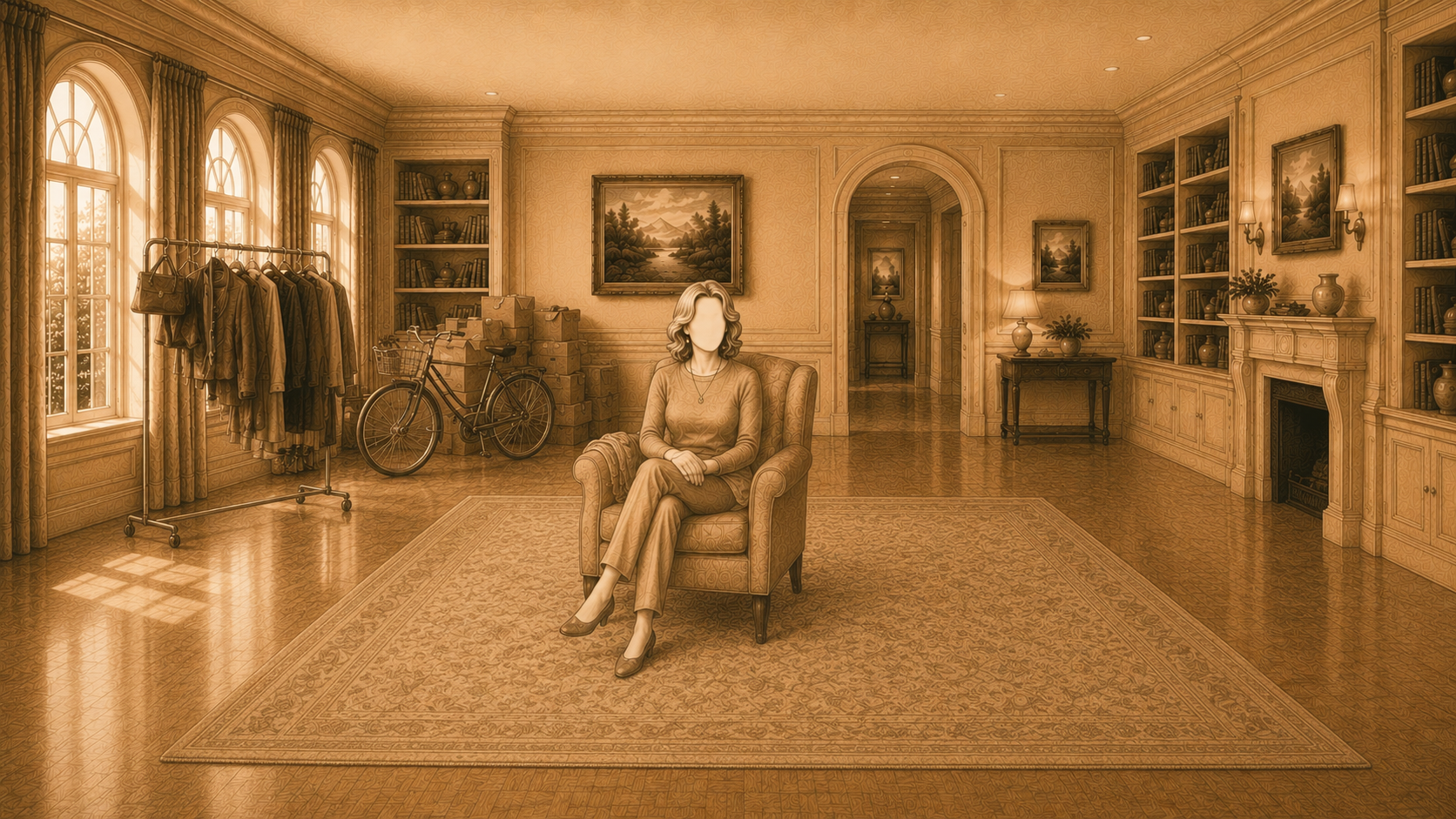
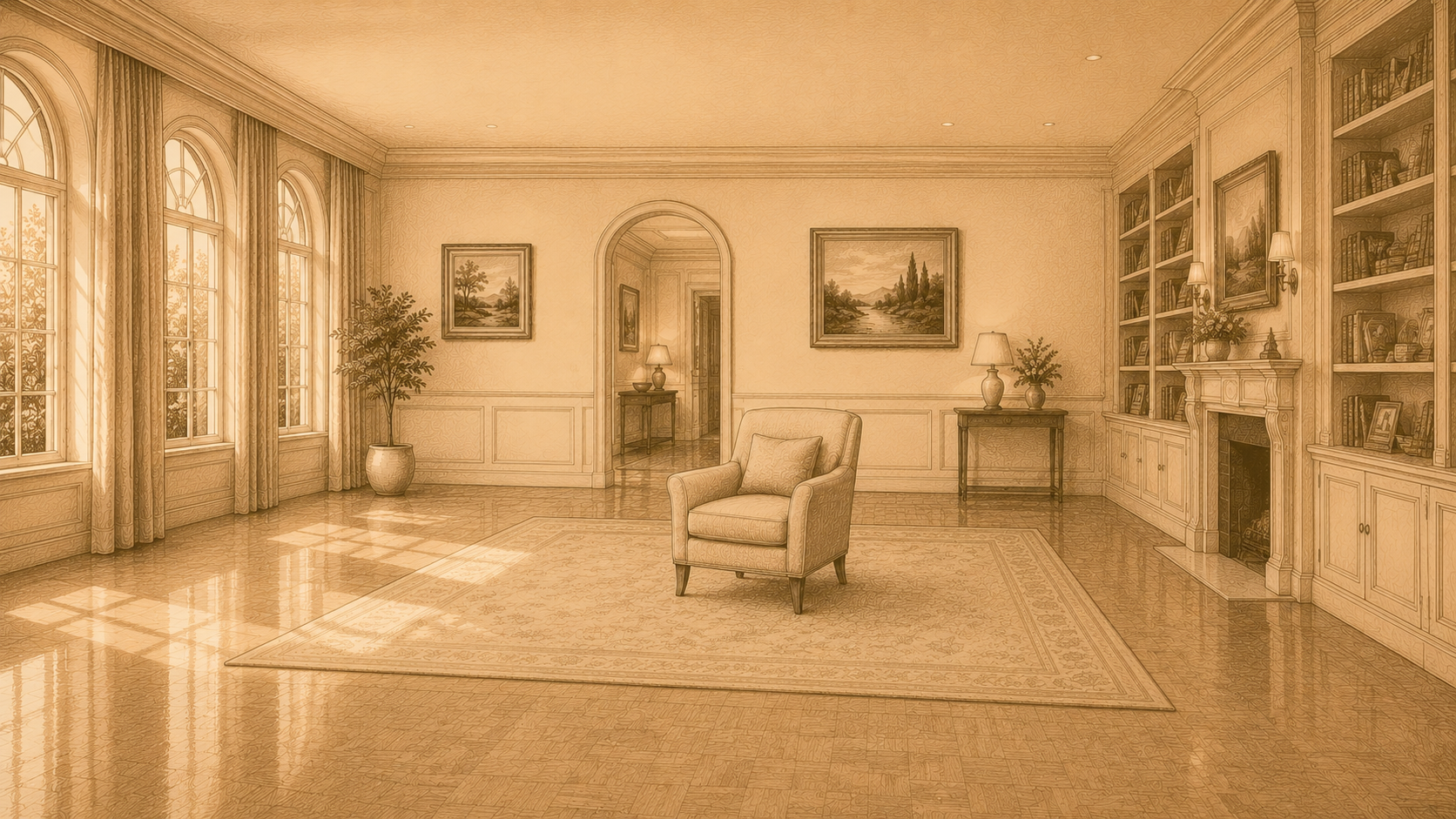
Instead of sitting directly against a blank wall, try to create some depth by placing yourself several feet in front of the background. A room with bookshelves, family photographs, artwork, plants, or a window can make the image feel warmer and more inviting.
Be aware of what appears behind your head. Avoid distracting objects, clutter, or items that seem to "grow" out of your shoulders. A balanced, symmetrical composition often feels calm and professional, although a slight offset can also look very natural.
Simple is usually better than busy.
4. Use Family Photographs
Photographs help bring your stories to life.
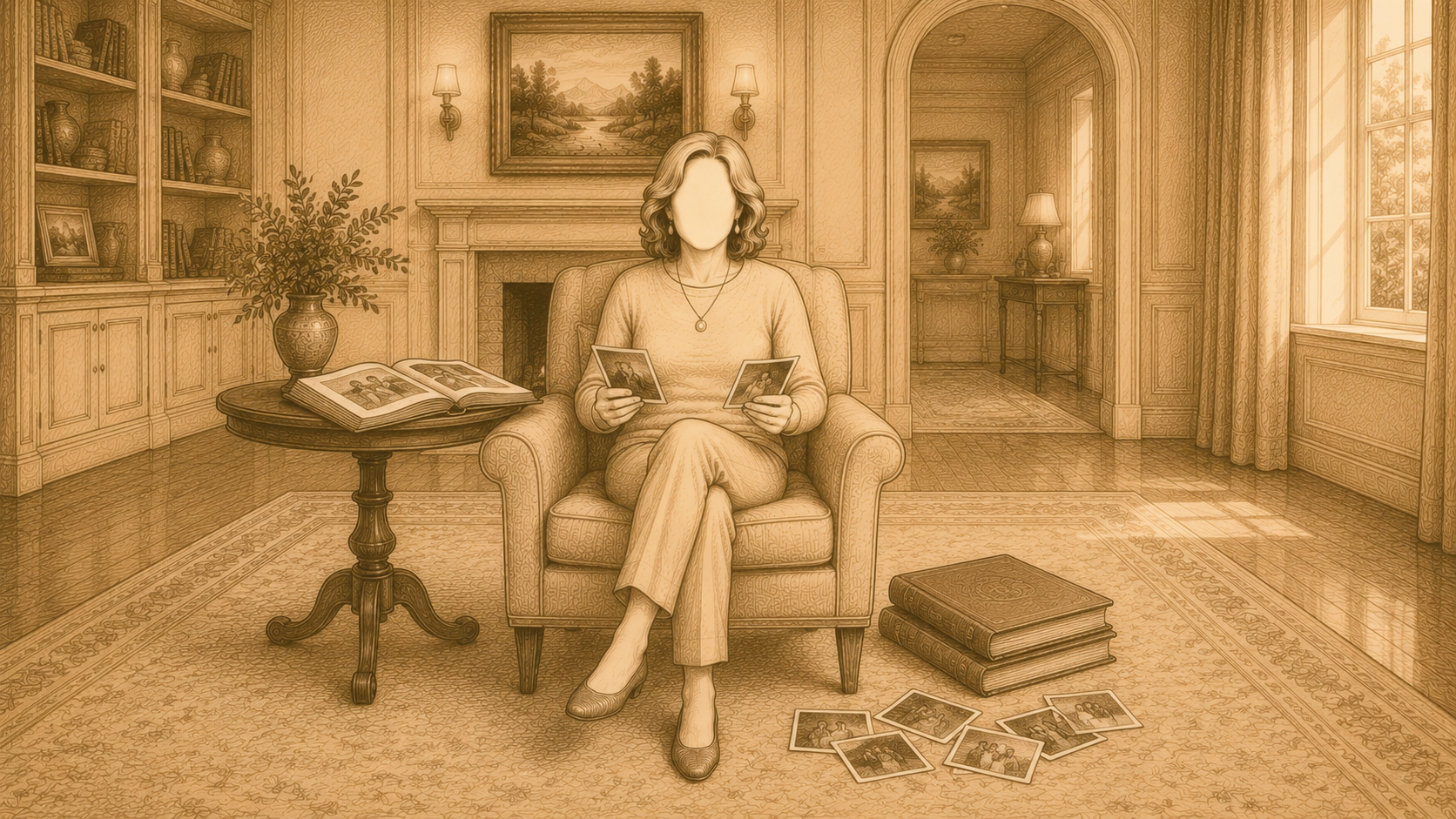
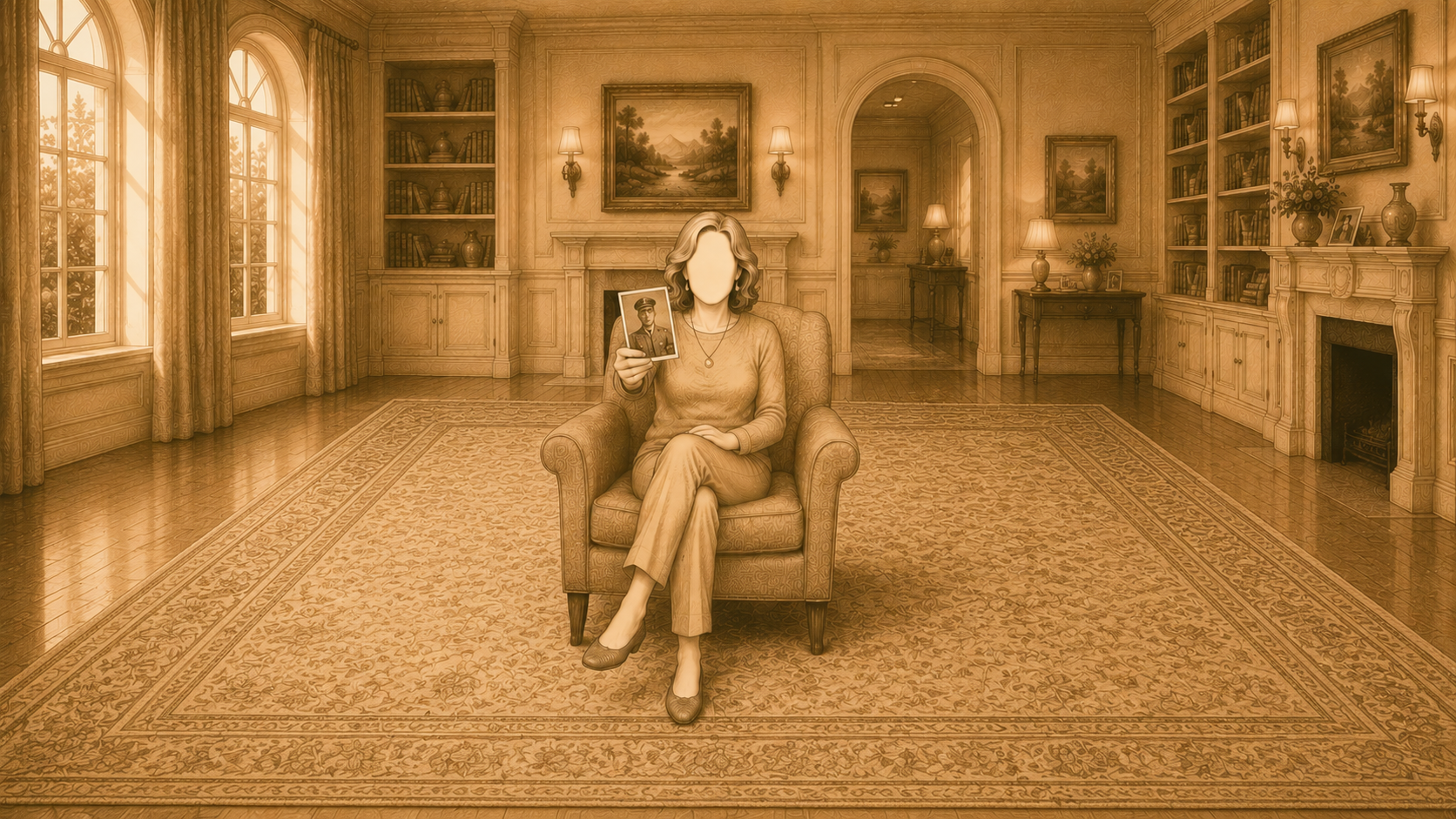
When telling a story, hold up the photograph so viewers can see it. You don't need to keep it in front of the camera for very long—just long enough to show the people or places you're describing.
After recording, scan the original photographs at a high resolution. During editing, the scanned images can be inserted into the video, allowing viewers to see every detail while you continue telling the story.
The combination of your voice and your family photographs creates a much richer and more engaging memoir.
5. Bring an Object
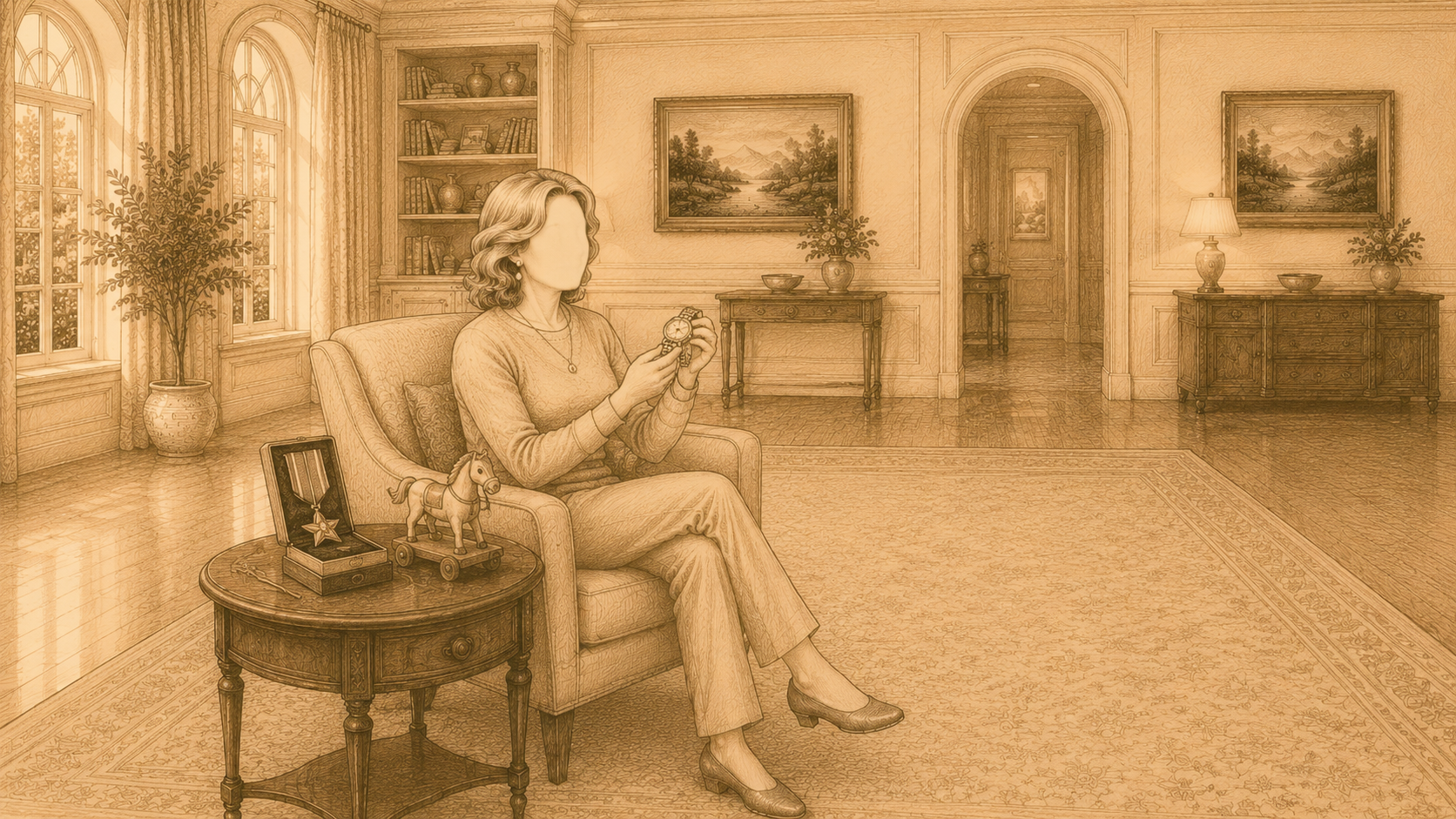
Photographs are wonderful companions to memory, but objects often tell a different kind of story. A wedding ring, a military medal, a favorite cookbook, a child's toy, or a well-worn pocket watch can awaken memories that have been quietly waiting for years.
If an object means something to you, bring it into the conversation. Hold it as you speak. Turn it over in your hands. Sometimes our fingers remember things before our words do.
One small keepsake can unlock an entire chapter of a life.
6. Speak in Scenes, Not Summaries
Whenever possible, invite your listener into a particular moment rather than offering a broad summary.
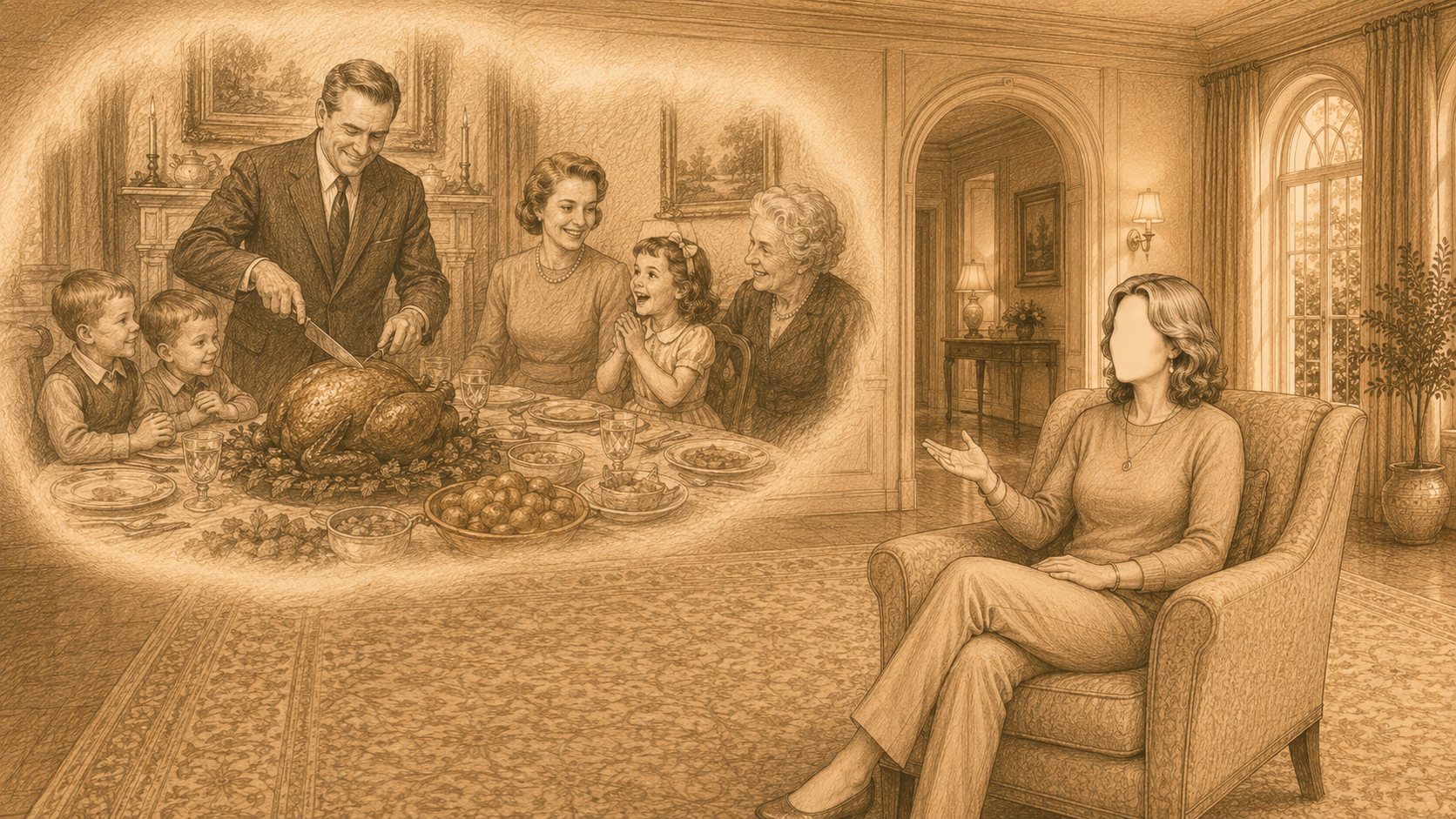
Instead of saying, "We were a close family," take them to Thanksgiving dinner. Your father is standing at the head of the table, carefully carving the turkey. Your mother is reminding everyone not to spoil their appetite before dessert.
Scenes like these allow listeners to experience your memories rather than simply hear about them. A single, vividly remembered afternoon often reveals more about a family than pages of explanation ever could.
7. Tell Small Stories
One of the most common mistakes people make is trying to summarize an entire lifetime.
Instead, focus on small, self-contained moments that remain vivid in your memory.
Perhaps it was your first day at school, a family vacation, the moment you met your spouse, a memorable conversation with your father, or an ordinary afternoon that somehow stayed with you for decades.
If you still remember a particular incident after many years, it is usually because it contains a larger truth about your life.
At Carousel Archival Stories, we encourage you to think small. Individual moments often reveal the biggest themes—love, sacrifice, resilience, humor, friendship, and family. A collection of these stories naturally becomes the larger story of your life.
8. Speak as Though You Were Talking to Someone You Love
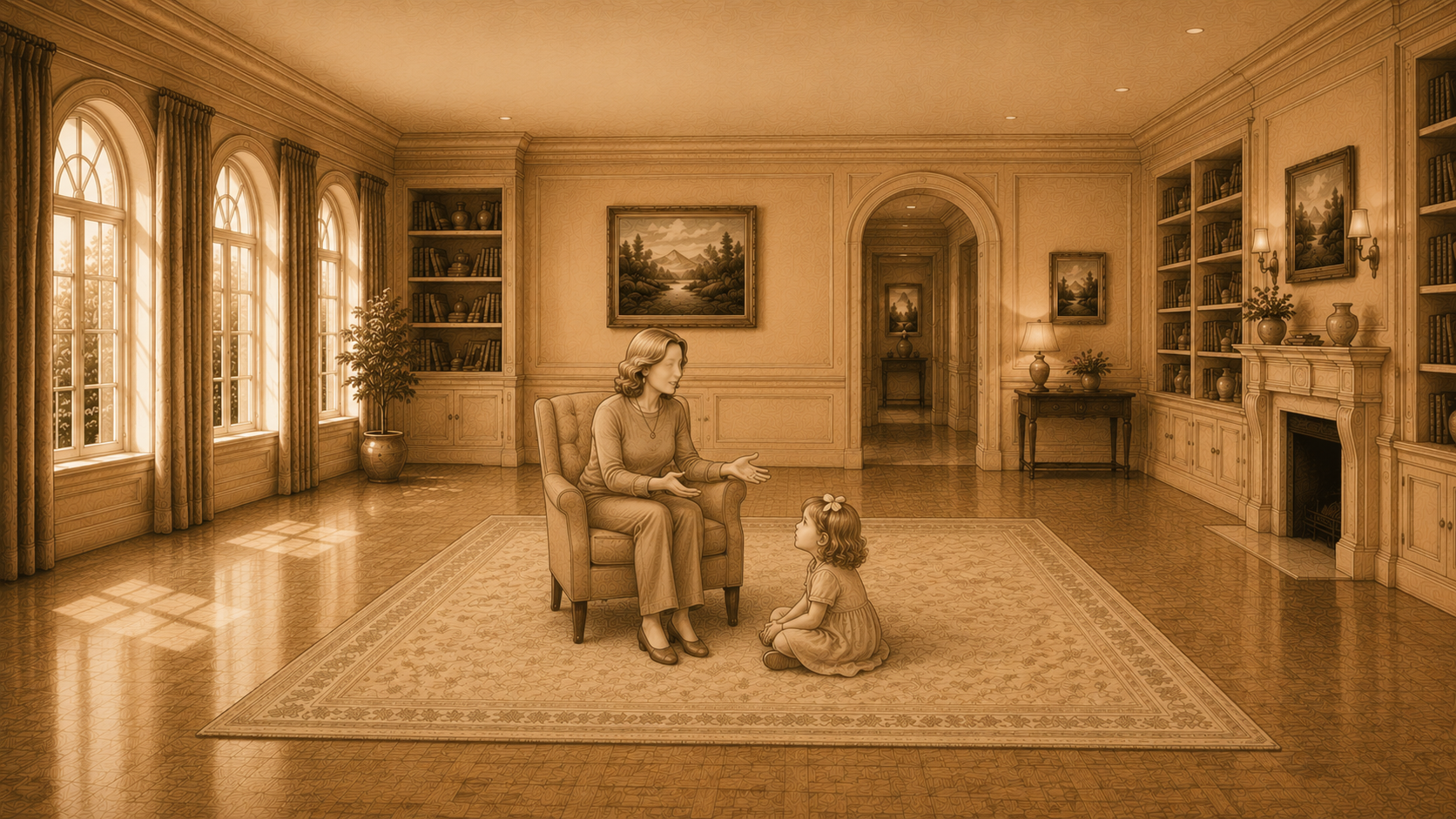
Imagine you are talking to a grandchild, a close friend, or someone many years in the future.
Don't worry about speaking perfectly. Pause when you need to. If you lose your train of thought, simply stop for a moment and begin again. Small imperfections make your recording feel genuine and authentic.
There is no need to rush.
9. Record in a Quiet, Well-Lit Room
Choose a quiet location where you won't be interrupted.
Natural light from a window often produces beautiful results. If possible, face the window rather than sitting with the window behind you. Avoid strong backlighting, which can make your face appear dark.
Turn off televisions, radios, fans, or other sources of background noise whenever possible.
10. Label Your Recordings
After your recording is complete, create a separate copy of the video file and save it to an external hard drive or USB flash drive.
Do not rely solely on your phone, computer, or cloud storage. Technology changes, computers fail, and files can accidentally be deleted. A dedicated archival copy greatly increases the chances that your memoir will survive for future generations.
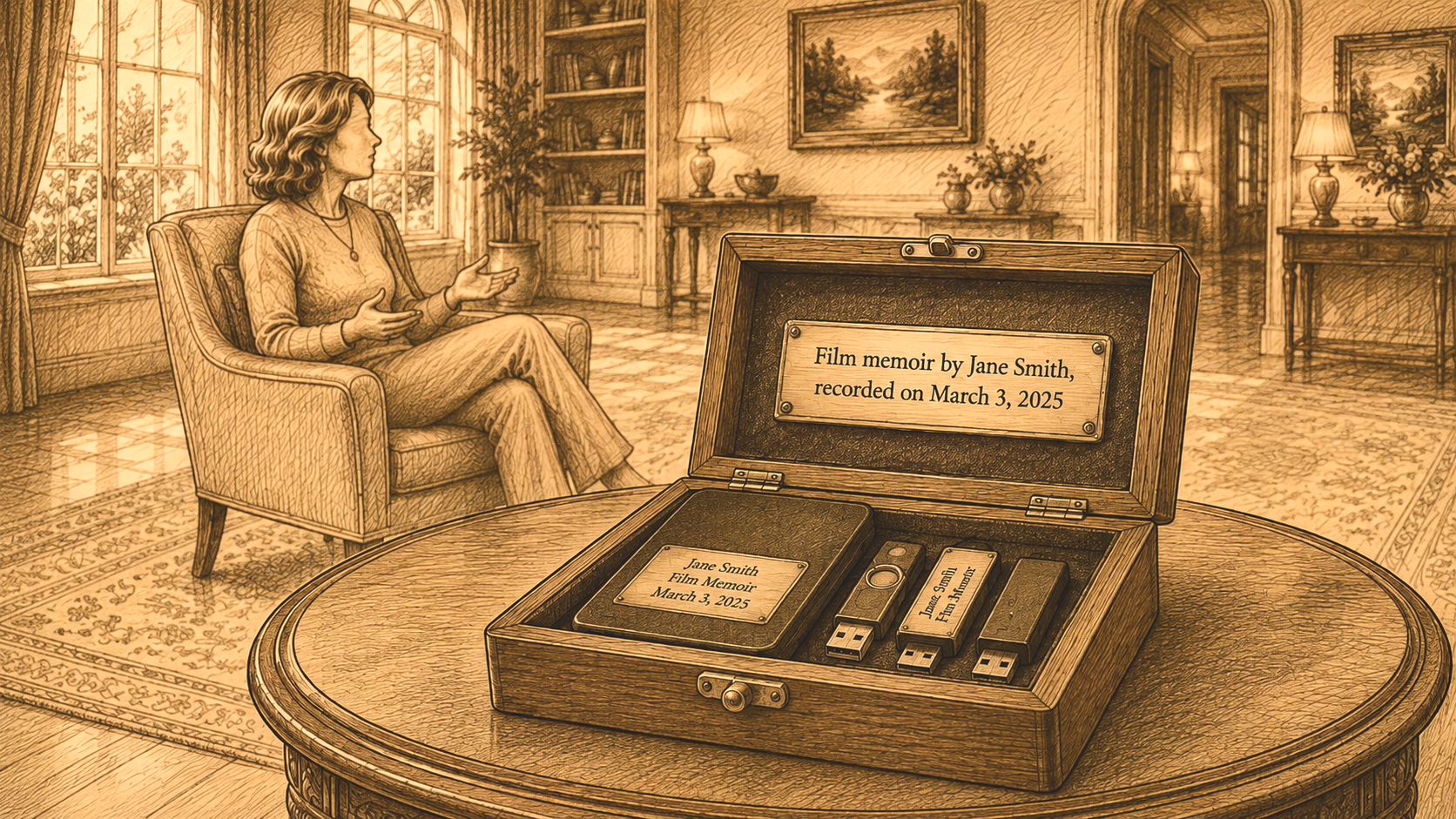
Just as importantly, clearly label both the storage device and the box containing it.
Write clear, specific information on the label. Don't just write "Grandma's video." Instead, include:
-The full name of the person featured
-A description of what the recording is (e.g., "film memoir")
-The exact date it was recorded
For example: "Film memoir by Jane Smith, recorded on March 3, 2025."
The more specific your description, the more valuable it will be decades from now. Someone who discovers the recording years in the future should immediately understand what it contains, who created it, and when it was recorded.
A little organization today can preserve your family's history for generations to come.
Considering creating a film memoir for yourself or someone you love?
We’d be glad to talk through what might be right for you.
